

News
-
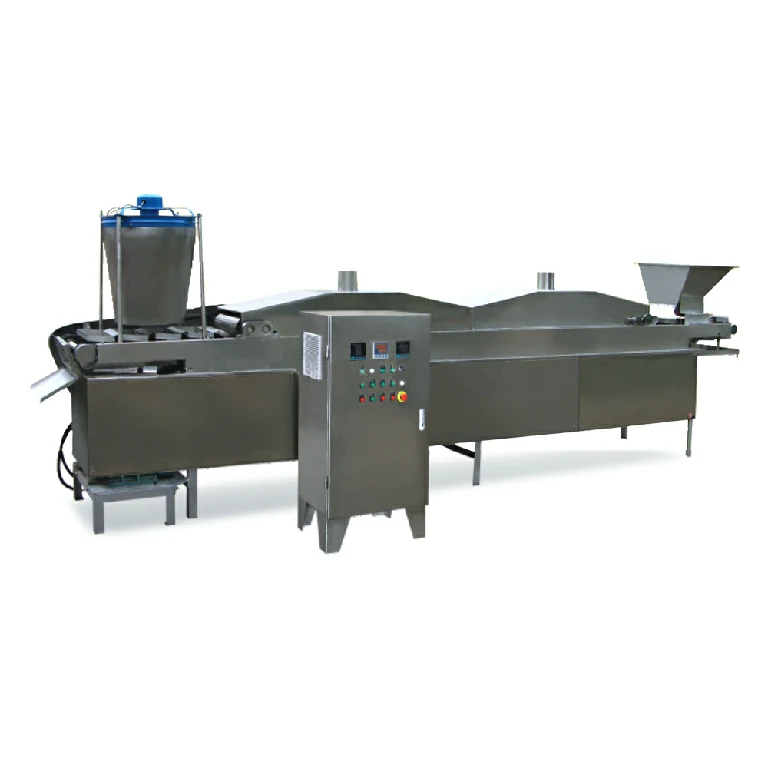
Continuous Frying vs. Hot Air Baking Systems: Oil Absorption Control and Crispness Optimization – The 2026 Buyer’s Guide for Food Manufacturers
What Are the Key Differences Between Continuous Frying and Hot Air Baking Systems in Terms of Oil Absorption and Crispness? Overview of Continuous Frying Technology: How It Works and Its Impact on Oil Content Continuous frying systems are the backbone of high-volume snack and pet food production. Unlike batch fryers, these industrial frying equipment lines […]Read more -
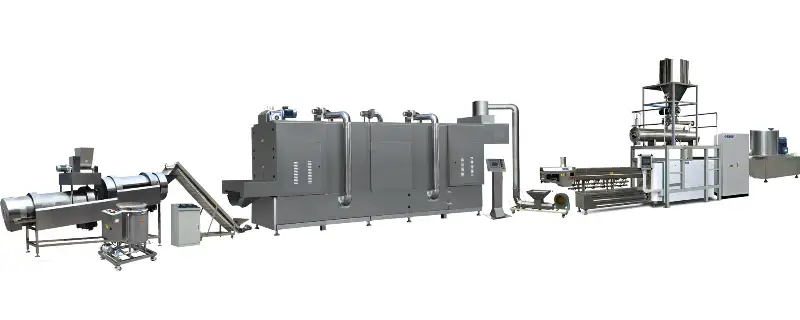
Pet Food Extrusion Lines: Controlling Kibble Density, Gelatinization Level, and Coating Uniformity – 2026 Ultimate Guide
The pet food industry in Europe, North America, and Southeast Asia is more competitive than ever. Producers are under pressure to deliver consistent product quality while optimizing production costs. Whether you're producing standard kibble or premium functional treats, controlling density, gelatinization, and coating uniformity is critical to your brand's success. This guide draws on real-world […]Read more -
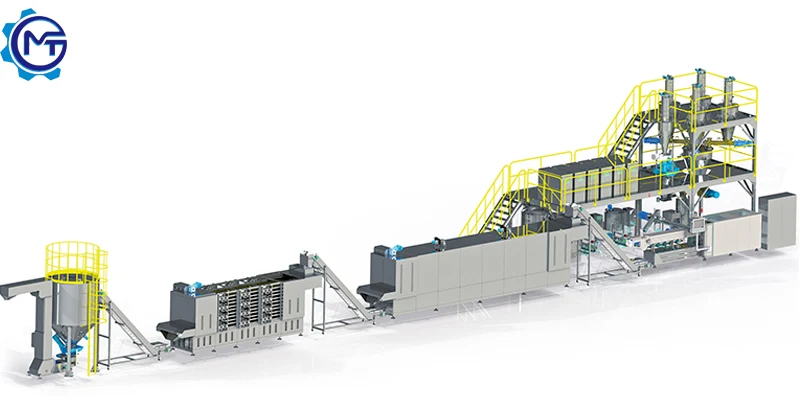
Textured Vegetable Protein (TVP) and High-Moisture Meat Analog (HMMA) Processing Lines: The Complete 2026 Buyer’s Guide
The plant-based protein market continues its rapid expansion across Europe, North America, and Southeast Asia. As consumer demand for realistic meat alternatives grows, manufacturers are investing in advanced Textured Vegetable Protein (TVP) and High-Moisture Meat Analog (HMMA) processing lines. But navigating the equipment landscape requires a clear understanding of extrusion technology, cost structures, and operational […]Read more -

High-Efficiency Core Filling Puffed Snack Food Production Line Premium Turnkey Solution for Global Food Manufacturers
Automatic Snack Food Machinery, Extruded Snack Processing Plant, Commercial Snack Food Equipment, Industrial Puffed Snack Line Vietnam. Introduction: The Rising Global Demand for Core-Filled Puffed Snacks In today’s competitive food processing industry, consumer preferences are rapidly shifting toward multi-textured, wholesome, and flavorful snacks. Among these, core-filled puffed snacks—such as crispy rice crackers filled with chocolate, […]Read more -
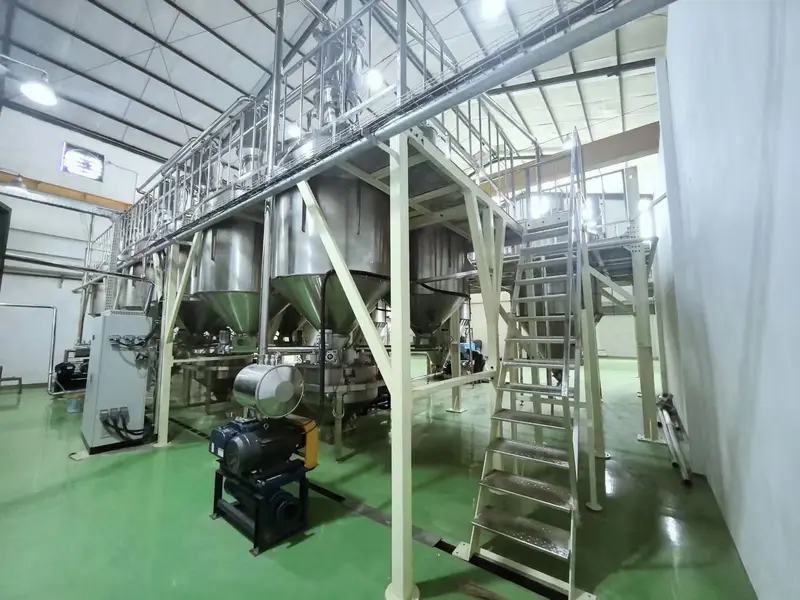
Case Study: How Jinan MT Machinery Successfully Commissioned an Industrial Extrusion Production Line in Indonesia
As the global demand for processed food, pet food, and industrial extrusion products continues to expand, manufacturing enterprises require reliable, high-capacity, and energy-efficient processing machinery. Jinan MT Machinery & Equipment Co., Ltd. (Jinan MT Machinery), a leading global manufacturer of advanced food extrusion processing lines and industrial machinery, recently completed a successful installation, commissioning, and […]Read more -
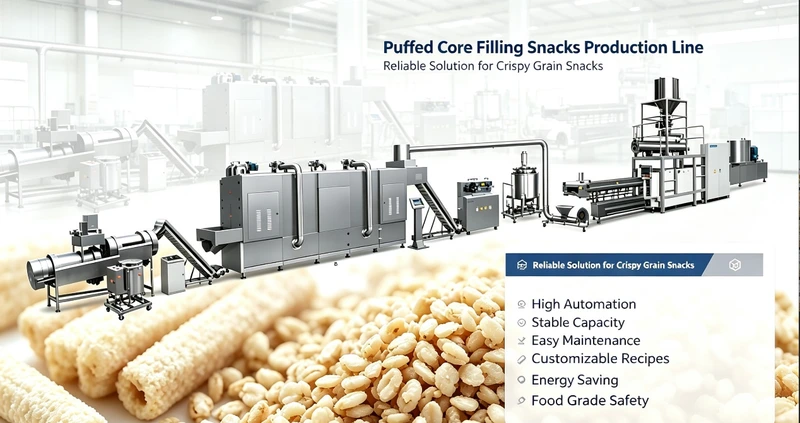
Jinan MT Machinery Successfully Installs High-Capacity Core-Filling Rice Snack Production Line in Indonesia
Jinan MT Machinery & Equipment Co., Ltd., a global leader in advanced food extrusion technology, has announced the successful installation and commissioning of a customized, high-capacity Core-Filling Rice Snack Production Line at a prominent food manufacturing facility in Indonesia. Designed to meet the rapidly growing Southeast Asian market demand for puffed snacks, this state-of-the-art processing […]Read more -
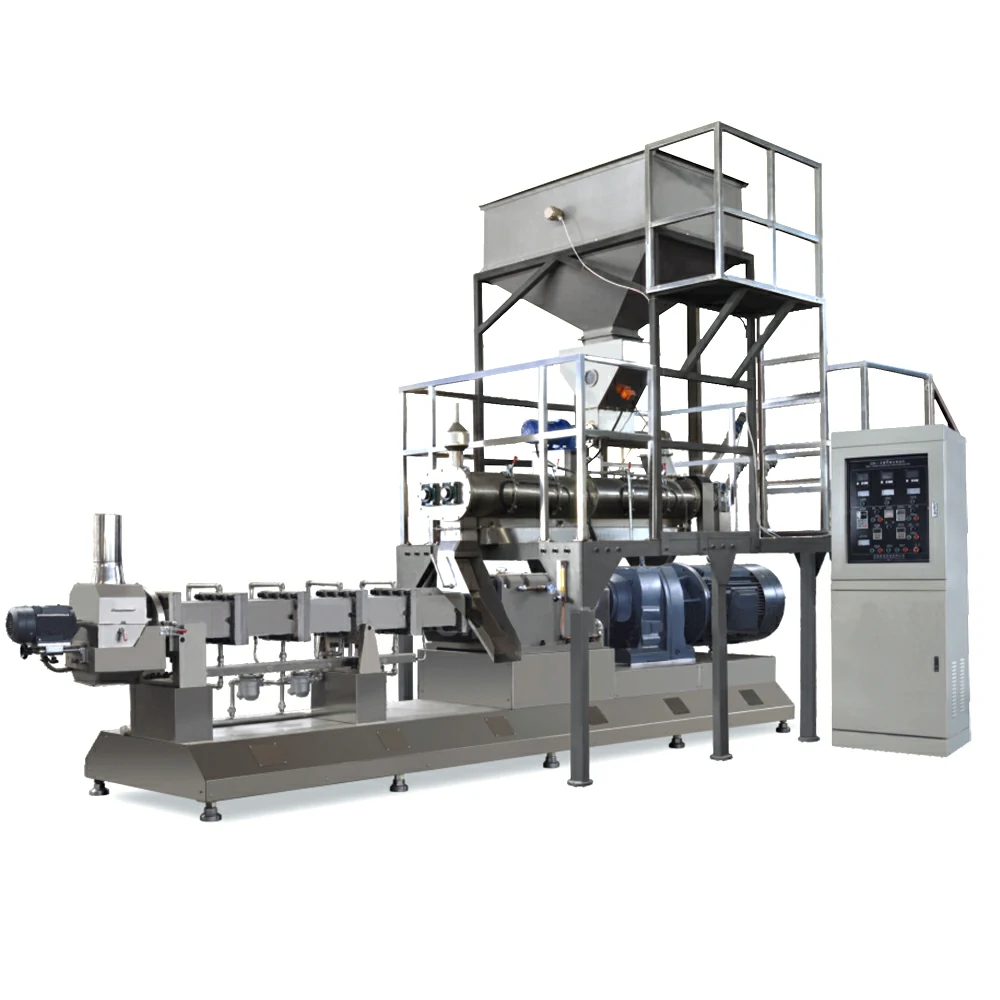
Advanced Corn Flakes & Breakfast Cereal Production Line: High-Efficiency Flaking Technology by Jinan MT Machinery
Jinan MT Machinery & Equipment Co., Ltd., a recognized innovator in food extrusion technology, has showcased its latest high-efficiency Corn Flakes and Breakfast Cereal Production Line during factory trial runs. The demonstration highlights the line’s ability to transform raw cereal grains into uniformly shaped, high-quality corn flakes through an automated, continuous process. Engineered to meet […]Read more -
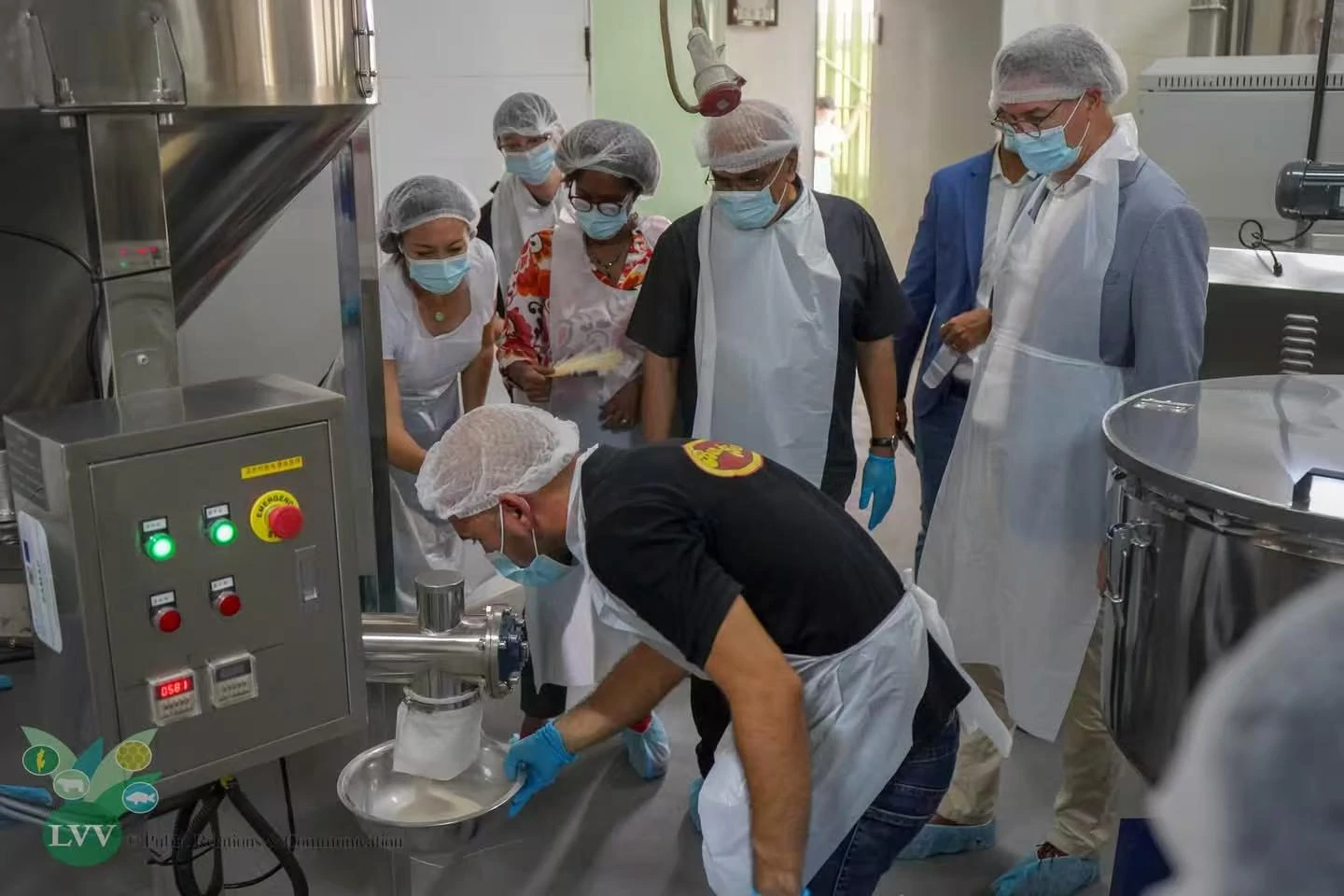
Overseas Project Success: Meiteng’s Engineer Commissions Modified Starch Production Line in Indonesia
With years of in-depth experience in the R&D and manufacturing of starch processing machinery, Jinan Meiteng Machinery Equipment Co., Ltd. has deeply cultivated the Southeast Asian market relying on superior equipment quality, mature production technology, and a complete overseas after-sales service system. Recently, Mr. Lv, a senior engineer of Meiteng Machinery, traveled to Indonesia to […]Read more