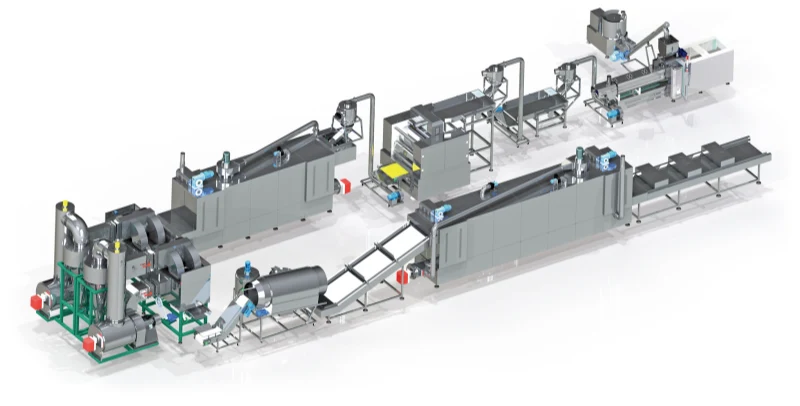
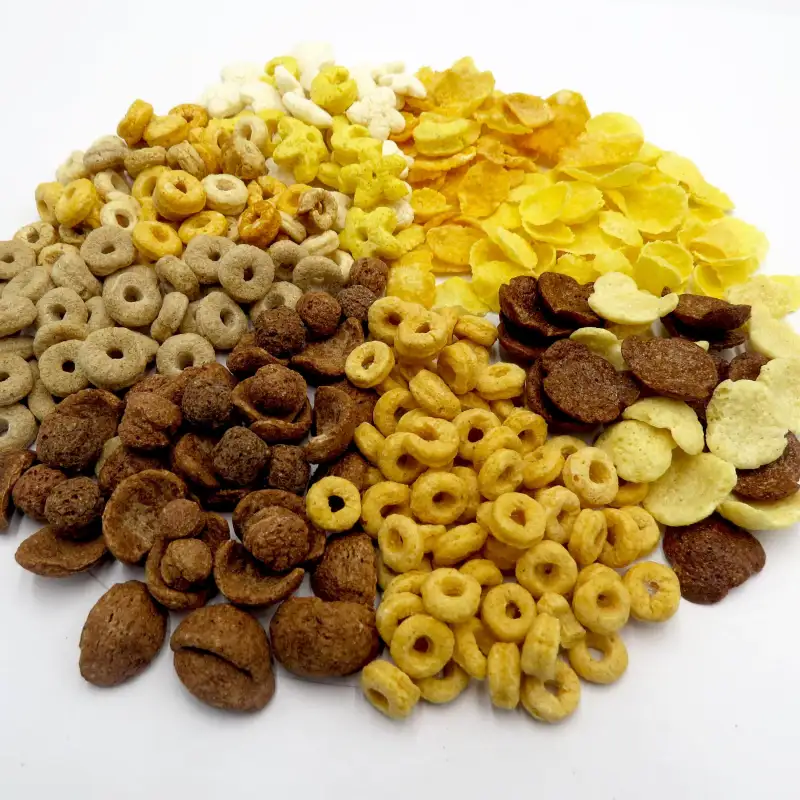
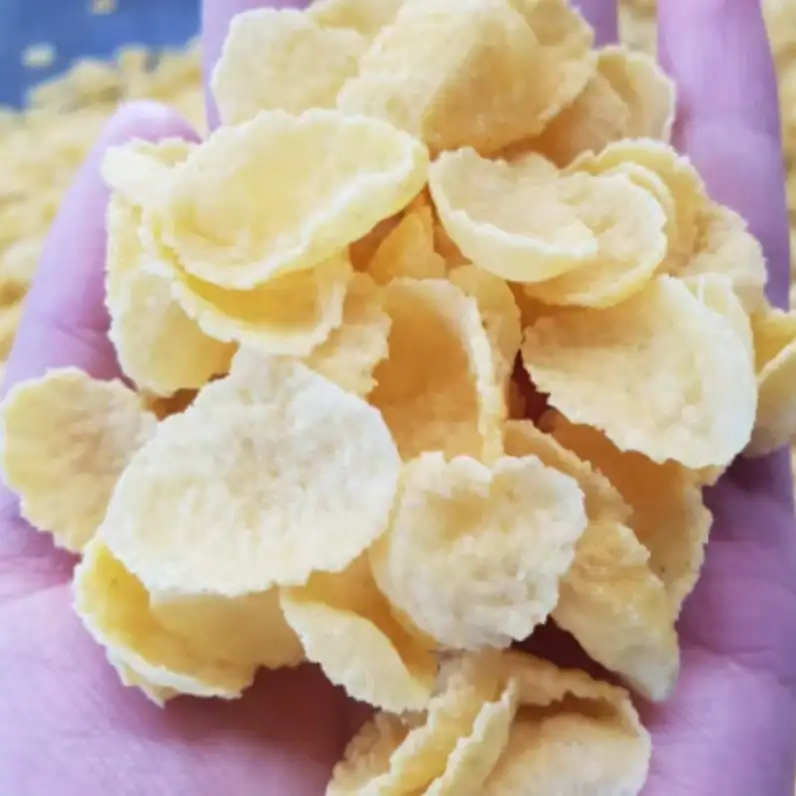
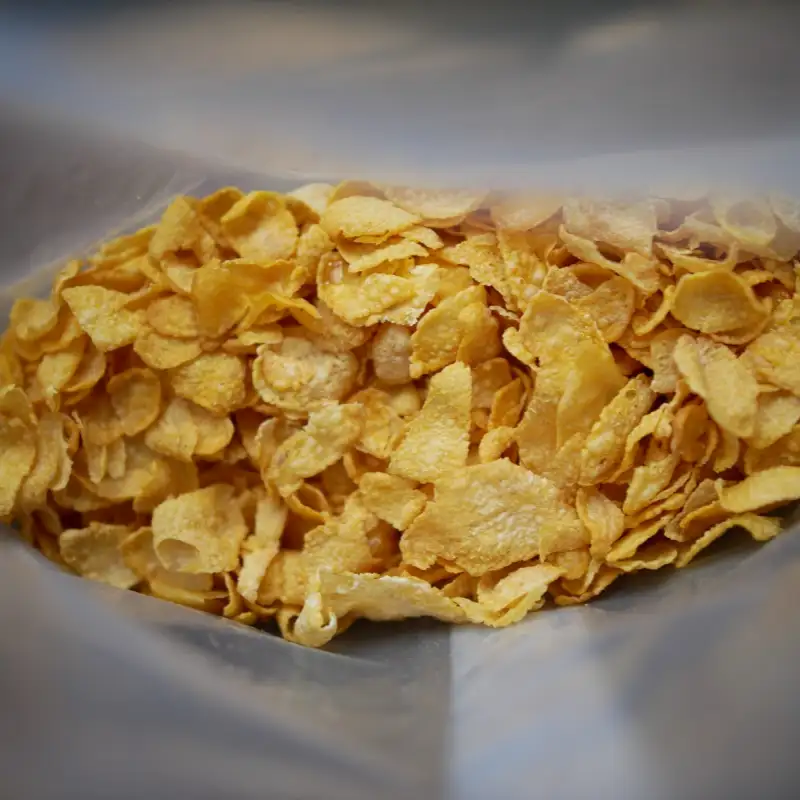
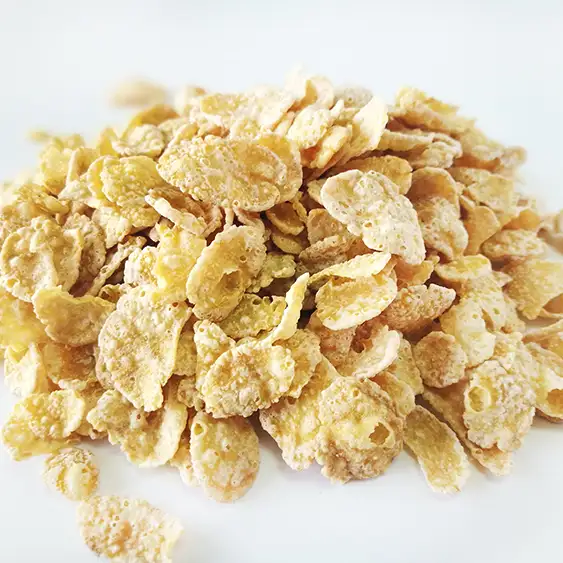
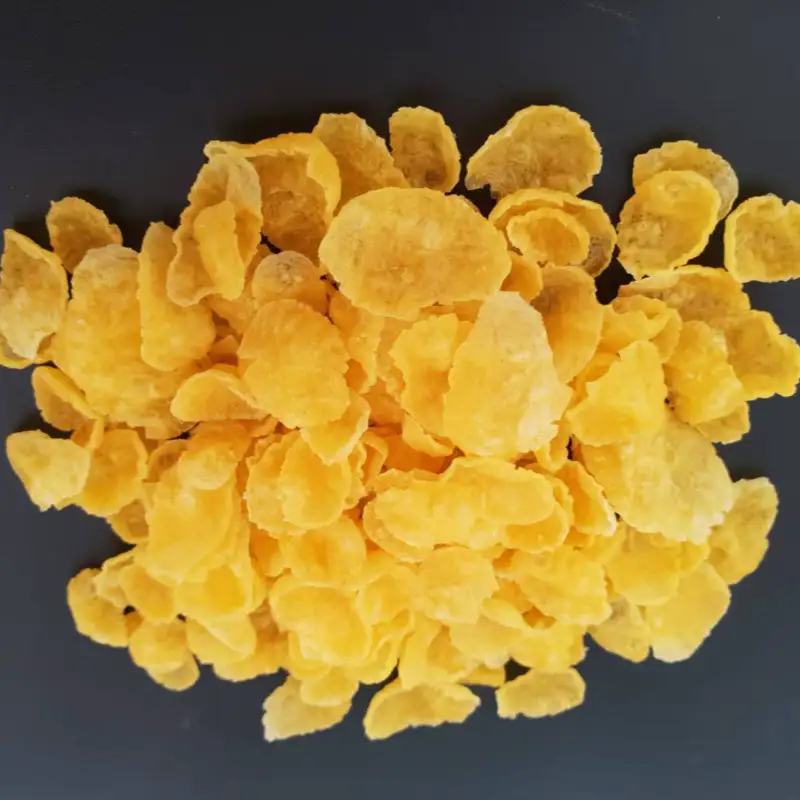
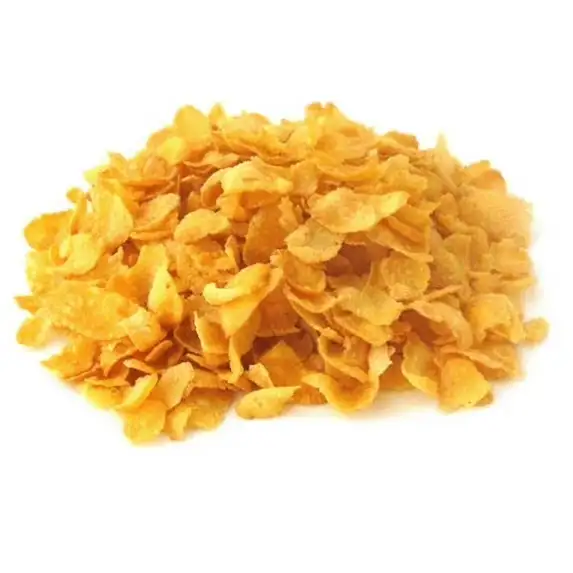
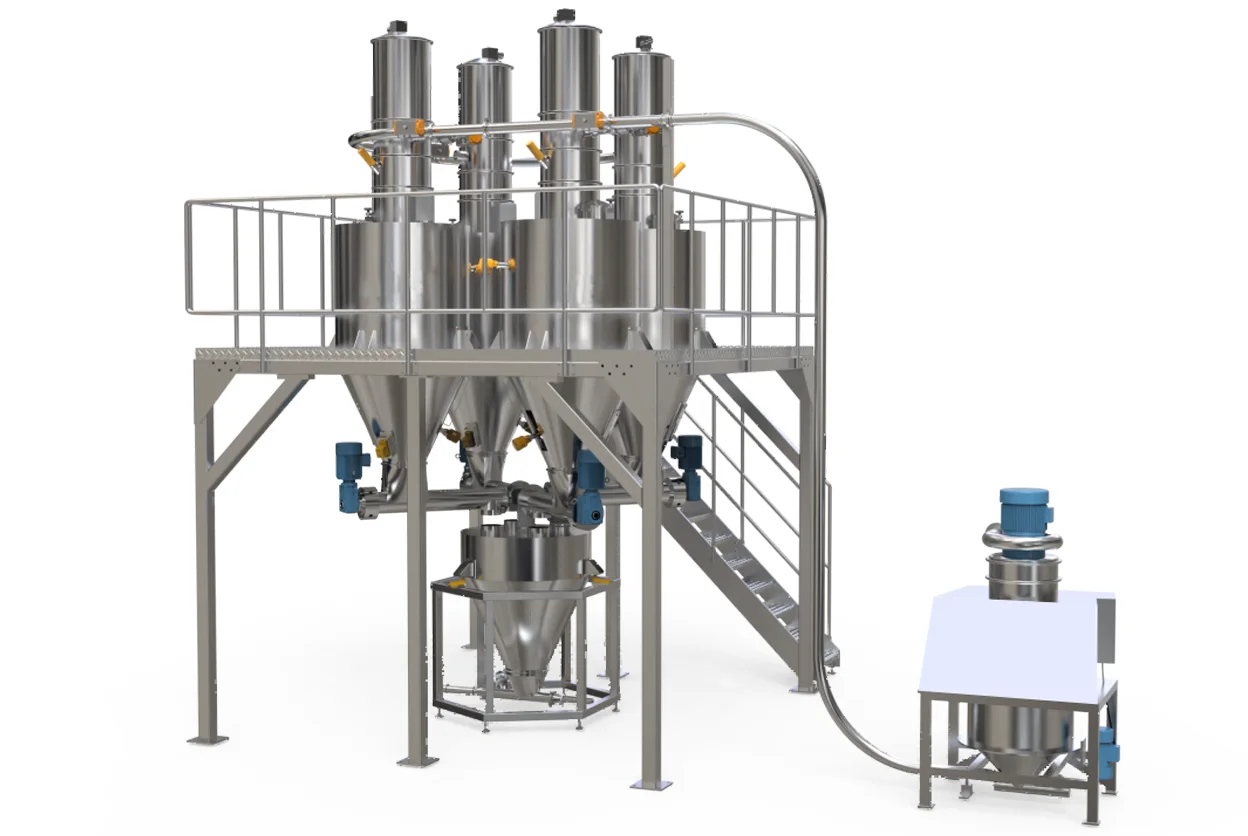
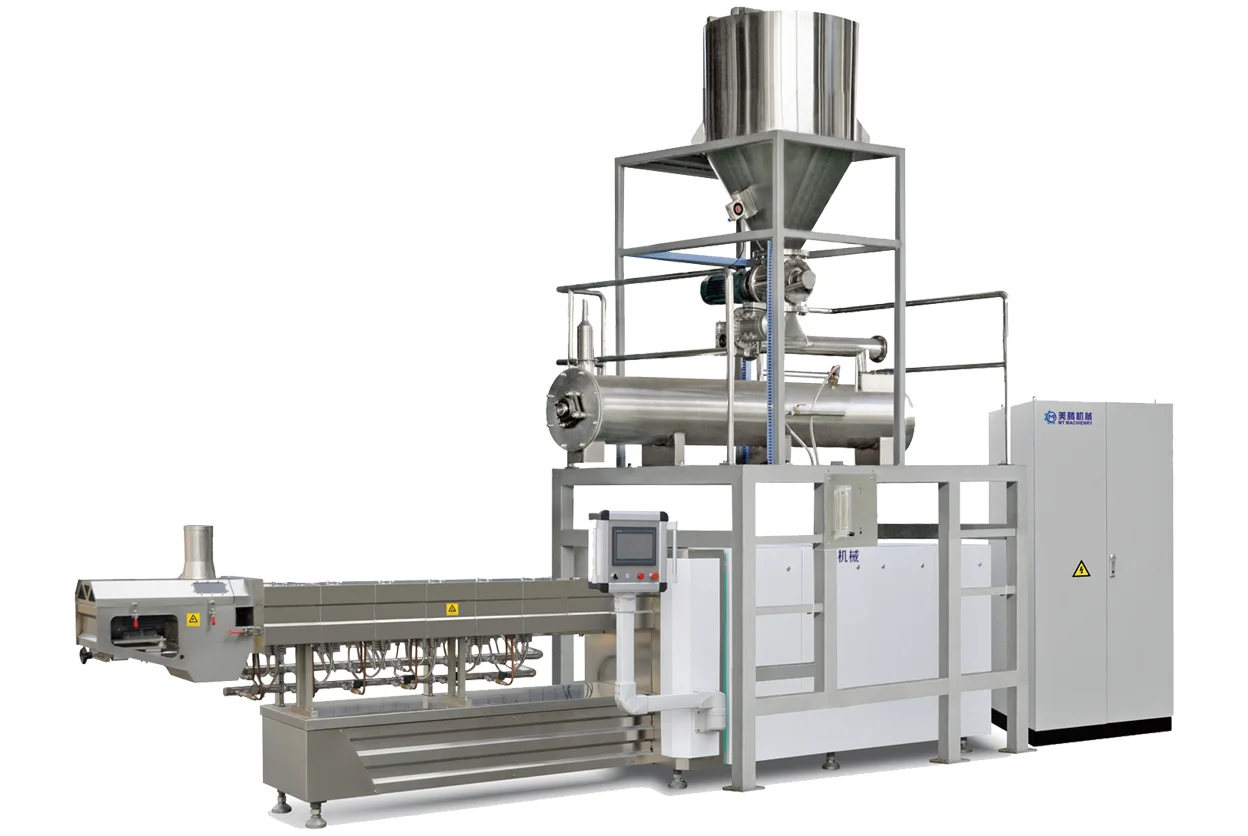
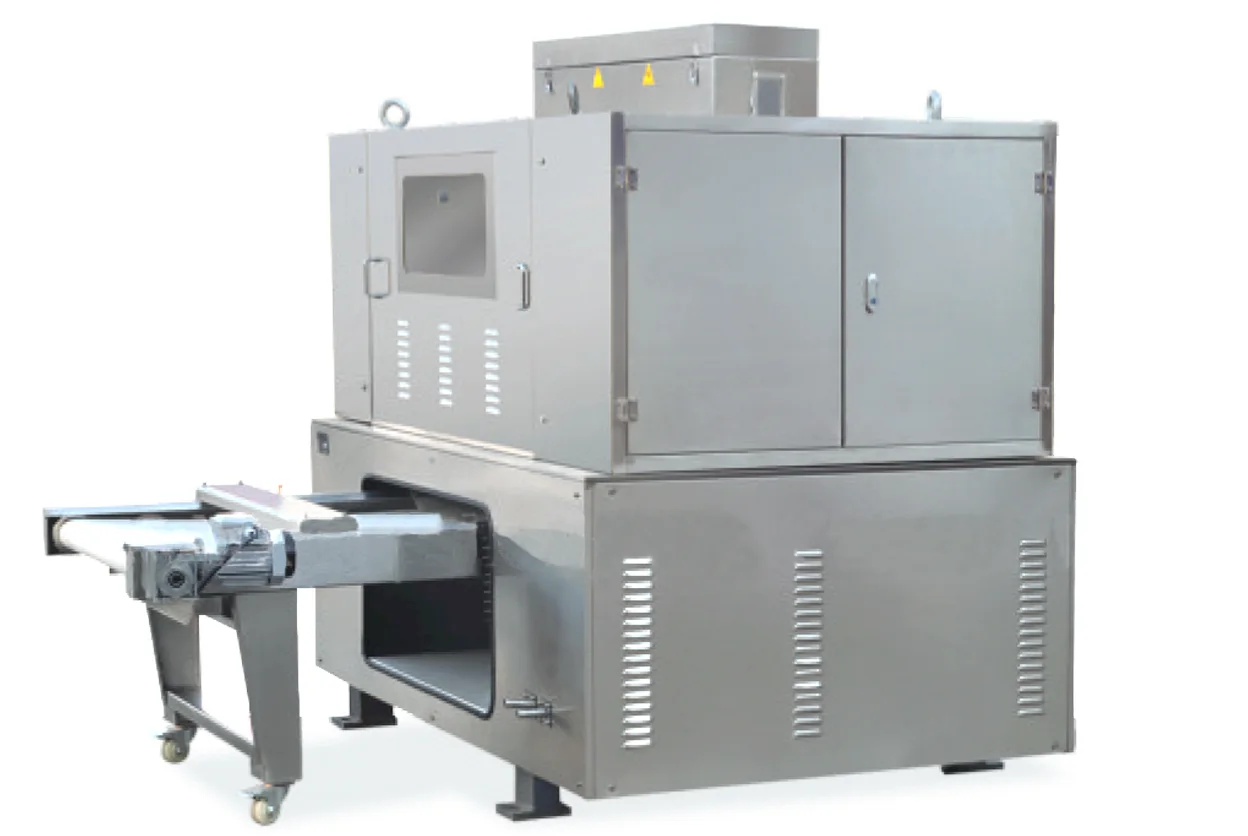
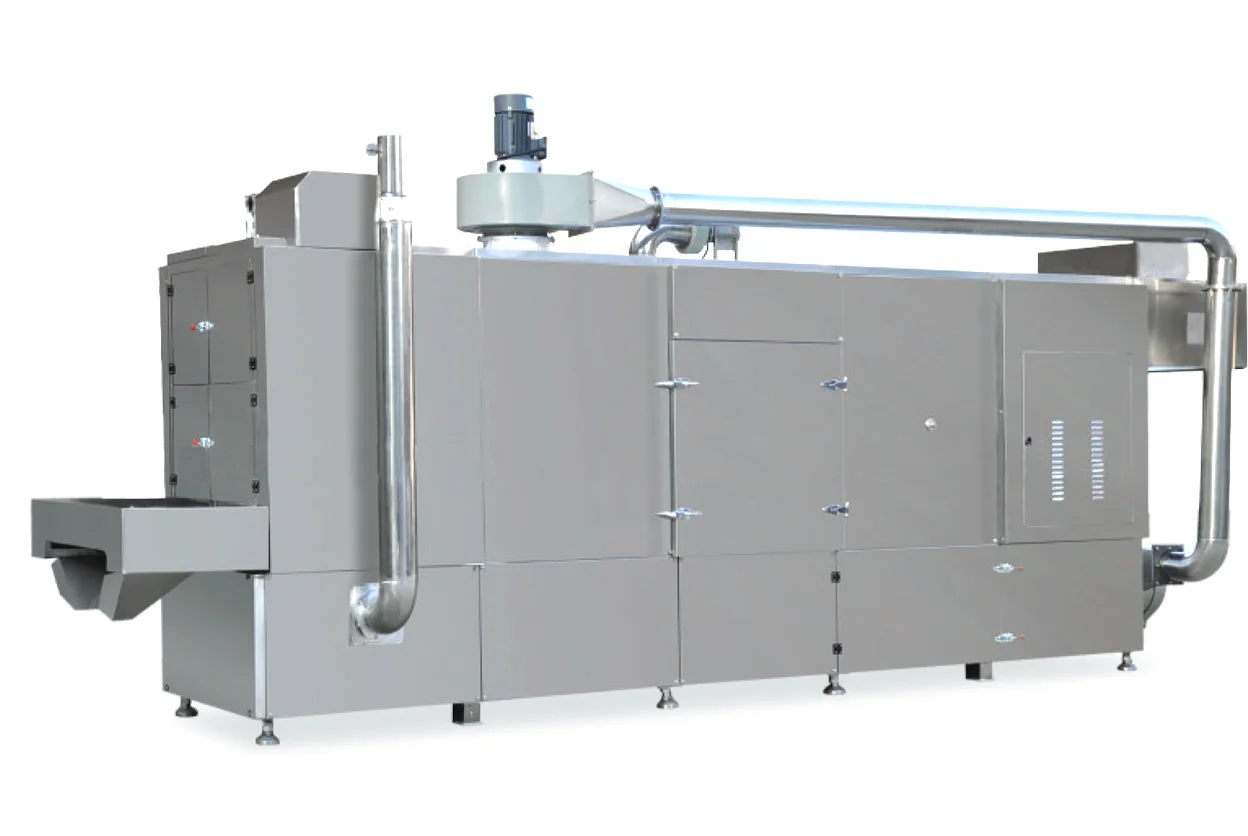
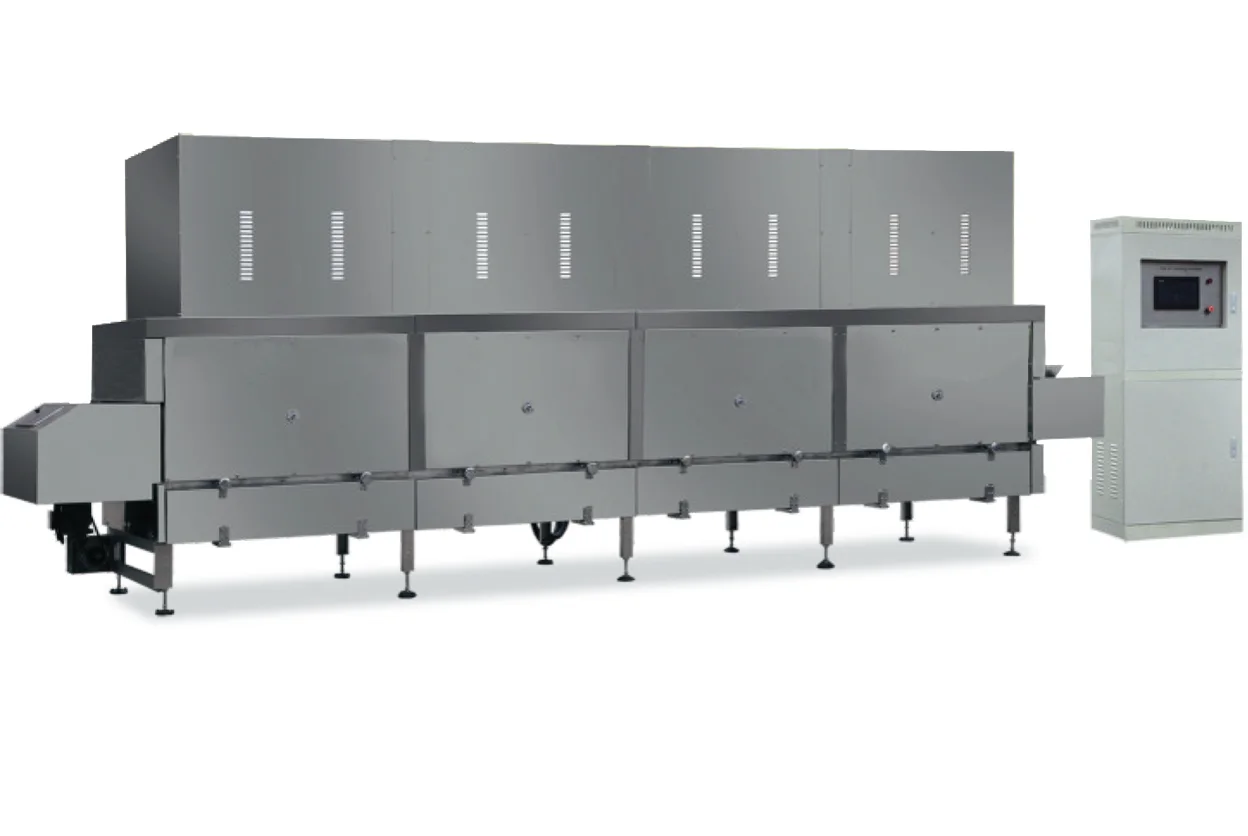
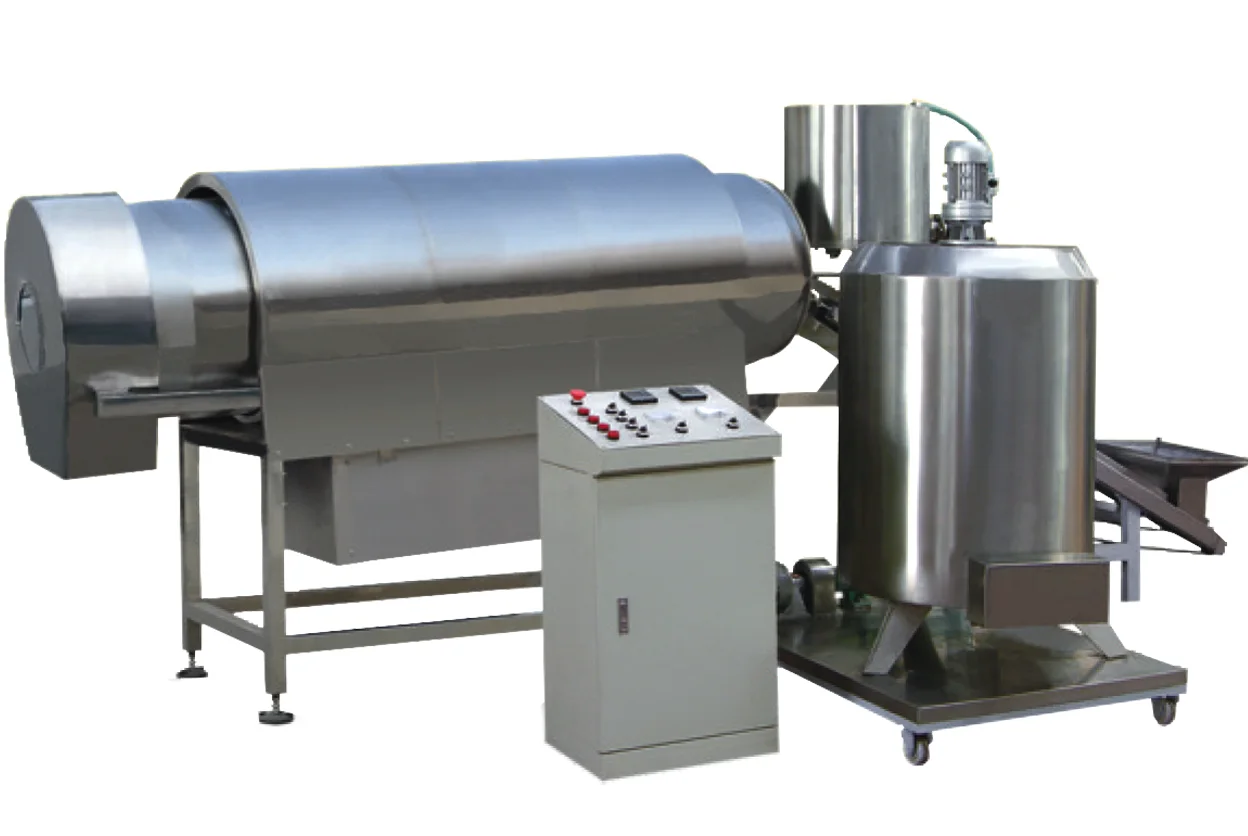
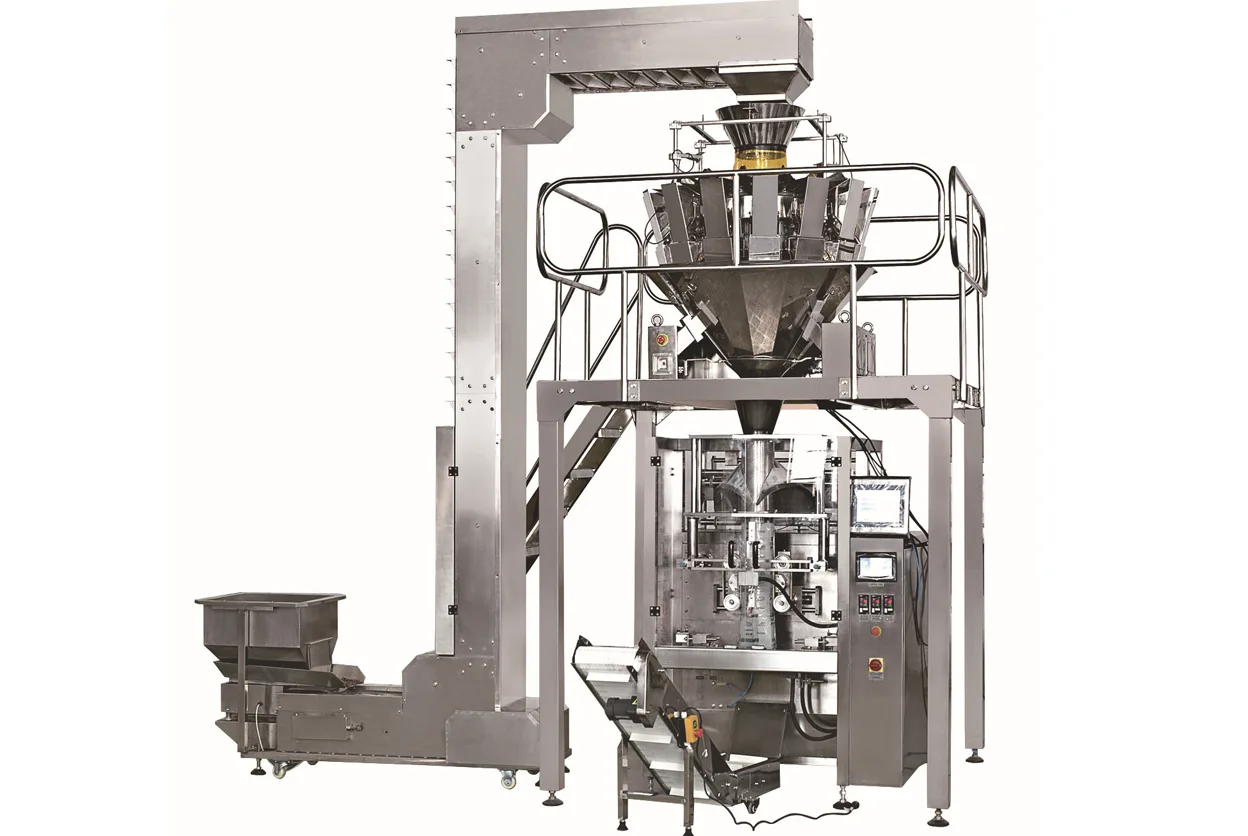
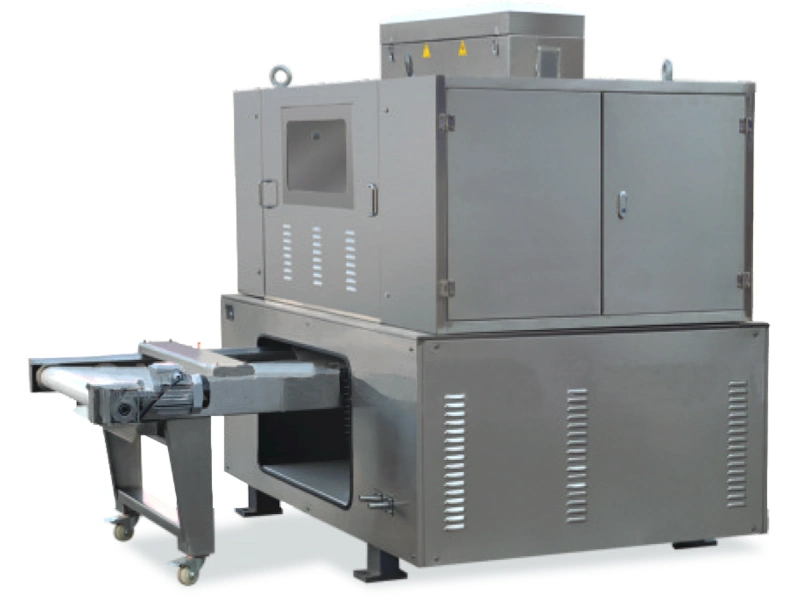
A corn flakes making machine system can be configured for different production scales and product requirements. For smaller projects, a compact configuration can reduce the initial equipment investment while maintaining the essential processing stages. For medium and large commercial projects, additional drying, coating, packing, and automation systems can be integrated to match higher production output.
The appropriate configuration depends on the target capacity, product range, available factory space, and planned production schedule.
Small-Scale Corn Flakes Production
A small corn flakes making machine configuration can be considered by startups, smaller food manufacturers, and businesses testing new cereal products. A smaller system may require less initial production space and can provide a practical starting point for manufacturers with moderate output requirements. Capacity should still be selected according to expected demand rather than choosing the smallest available machine by default.
Corn Flakes Manufacturing Equipment
A complete cereal manufacturing system requires coordinated equipment rather than one standalone machine. The extrusion section handles cooking and forming, the flaking section controls product thickness, and the drying and roasting systems develop the required texture. Coating and packing equipment then complete the finished-product process. This integrated approach helps maintain balanced production capacity across different stages and reduces potential bottlenecks.
How to Choose a Corn Flakes Machine
Selecting a corn flakes machine requires evaluating factors far beyond rated capacity alone. Buyers should assess their complete operational requirements, including:
- Target Production Capacity & Scalability
- Product Type & Portfolio Needs
- Raw Material Formulation
- Target Flake Thickness & Texture
- Product Geometry & Shape Requirements
- Drying & Moisture Control Parameters
- Roasting Temperature & Color Development
- Coating Method (Sugar Syrup / Seasoning)
- Packaging Formats & Speeds
- Available Factory Space & Layout Constraints
- Target Automation Level
- Future Production Line Expansion Plans
Model Selection Overview
- MT70: Suitable for smaller commercial production and manufacturers starting or expanding their breakfast cereal business.
- MT75: Provides a higher production capacity for medium-scale cereal manufacturing while maintaining flexibility for different product requirements.
- MT80: Designed for higher-output production and manufacturers planning larger-scale commercial cereal manufacturing.
The final model should be selected according to the complete production process rather than the extruder's rated capacity alone.
Quality Control in Corn Flakes Manufacturing
Consistent cereal quality depends on control throughout the production process. Key quality factors include:
- Raw material consistency
- Moisture content
- Ingredient distribution
- Extrusion temperature
- Extrusion pressure
- Flake thickness
- Drying conditions
- Roasting temperature
- Coating uniformity
- Finished product moisture
- Packing accuracy
These parameters should be adjusted according to the actual formulation and product requirements rather than using identical settings for every cereal product.
Product Flexibility and Changeover
Different dies, roller settings, formulations, and downstream configurations allow the production system to support a wider range of cereal products. For manufacturers producing several product types, changeover requirements should be considered during equipment selection. Important factors include:
- Product shape
- Recipe
- Flake thickness
- Coating material
- Filling requirements
- Die configuration
- Cleaning requirements
- Production sequence
A suitable configuration can help reduce unnecessary downtime during product changes.
Turnkey Cereal Production Line Solution
A complete cereal project involves more than supplying individual equipment. Meiteng can support the project according to the required scope:
Production Planning ➔ Equipment Selection ➔ Process Configuration ➔ Plant Layout ➔ Manufacturing ➔ Installation & Commissioning ➔ Operator Training ➔ Technical Support
- Production Planning: The target products, production capacity, raw materials, and processing requirements are evaluated before equipment selection.
- Equipment Selection: The corn flakes production machine configuration is designed according to the complete processing route rather than selecting individual machines separately.
- Plant Layout: The equipment arrangement can be planned according to factory dimensions, material flow, operating requirements, and future expansion.
- Installation and Commissioning: Installation and commissioning support can be provided according to project requirements, including remote technical guidance or on-site engineering services where available.
- Operator Training: Operators can receive guidance on equipment operation, cleaning, routine maintenance, and basic troubleshooting.
Maintenance and Equipment Reliability
Regular cleaning, inspection, and maintenance help maintain stable production performance. The extrusion, flaking, drying, and roasting sections are exposed to continuous mechanical and thermal loads. Wear components should therefore be inspected according to production hours and operating conditions.
The service life of wear parts depends on raw materials, formulation, production volume, operating parameters, and maintenance practices. Replacement components can be supplied according to equipment specifications to support routine maintenance.