What Are the Uses of Extruder in Food Industry and How Do They Drive Modern Food Production?
March 27, 2026
When manufacturers explore the uses of extruder in food industry, they quickly discover that extrusion technology is at the heart of modern, high-efficiency food production. Food extruders are used to process, shape, cook, and texturize a wide range of products, including snacks, breakfast cereals, pet food, aquatic feed, and plant-based proteins. By combining heat, pressure, and mechanical shear, extrusion enables continuous production with consistent quality, making it indispensable for industrial-scale operations.
For decision-makers, extruders are more than processing equipment. They are productivity engines that enable product innovation, cost optimization, and scalability across multiple food categories. Understanding their applications helps businesses align equipment investments with long-term growth strategies.
Core Uses of Extruders in Food Processing
Extrusion technology transforms raw ingredients into finished products through a controlled and continuous process. Its versatility allows manufacturers to handle diverse formulations while maintaining uniform output.
Cooking and Texturizing Food Materials
One of the primary uses of extruders in food industry is cooking and texturizing raw materials. Inside the extruder barrel, ingredients are subjected to high temperature and pressure, which gelatinizes starches and denatures proteins. This process creates unique textures that are difficult to achieve through conventional methods.
Extrusion is widely used to produce expanded snacks, textured vegetable protein, and ready-to-eat cereals. It allows precise control over density, shape, and mouthfeel, enabling manufacturers to develop differentiated products.
Shaping and Forming Products
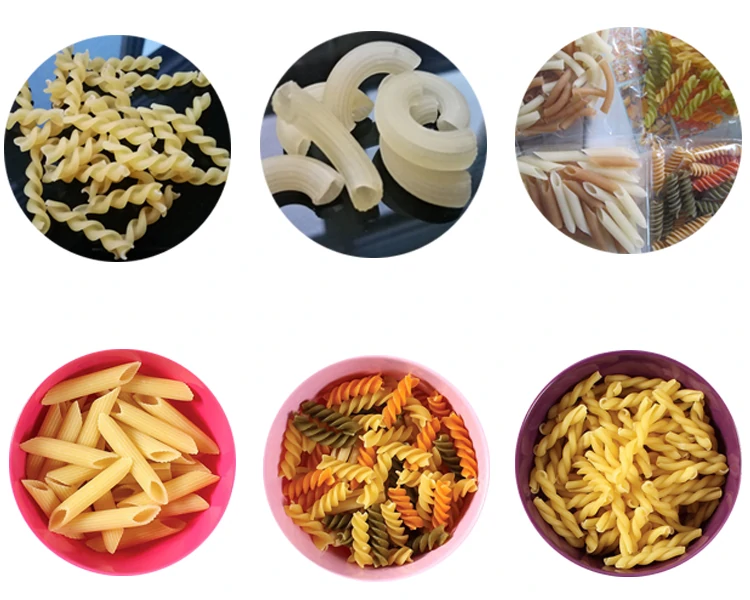
Extruders are equipped with dies that determine the final shape of the product. This capability allows manufacturers to produce a wide variety of forms, from simple pellets to complex geometric shapes.
In snack production, an extruder for snack enables consistent shaping and expansion, ensuring uniformity across large batches. This is critical for maintaining brand quality and consumer expectations.
Mixing and Homogenization
Extruders also function as powerful mixing systems. The mechanical action of the screw ensures that ingredients are evenly distributed, resulting in homogeneous products.
This is particularly important for formulations that include multiple ingredients, such as fortified foods or flavored snacks. Consistent mixing improves product quality and reduces variability in production.
Applications Across Key Food Industry Segments
Extruders are used across a wide range of food sectors, each with specific processing requirements and product characteristics.
Snack Food Production
Snack manufacturing is one of the most prominent applications of extrusion technology. Extruders are used to produce puffed snacks, chips, and other expanded products.
- Enables high-volume continuous production
- Provides consistent texture and shape
- Supports flavor coating and seasoning integration
- Reduces production time compared to traditional methods
- Allows flexible product design through die changes
In this sector, specialized systems such as a corn extruder machine are commonly used to process corn-based raw materials into a variety of snack products.
Pet Food Manufacturing
Extrusion is widely used in the production of pet food, where precise control over nutrition and texture is essential. Extruders allow manufacturers to incorporate proteins, fats, vitamins, and minerals into a single, uniform product.
A pet food extruder machine enables the production of dry kibble with controlled density and durability, ensuring consistent quality and shelf stability.
Aquatic Feed Production
In aquaculture, extrusion technology is used to produce floating and sinking feed. The ability to control buoyancy is critical for feeding efficiency and minimizing waste.
For example, a floating fish feed extruder allows manufacturers to produce feed that remains on the water surface, improving feeding behavior and monitoring.
Plant-Based and Alternative Proteins
Extruders play a key role in the development of plant-based protein products. By applying heat and shear, they create fibrous textures that mimic meat.
This application is growing rapidly as demand for sustainable food options increases. Extrusion enables manufacturers to scale production while maintaining consistent quality.
Comparison Table: Extrusion Applications by Industry
Table 1: Key Uses of Extruders Across Food Industry Segments
| Industry Segment | Typical Products | Key Benefits of Extrusion | Processing Requirements |
|---|---|---|---|
| Snacks | Chips, puffs, cereals | High efficiency, uniform texture | Medium moisture, high temp |
| Pet Food | Dry kibble | Nutritional consistency | Controlled density |
| Aquatic Feed | Floating/sinking pellets | Buoyancy control | Precise expansion control |
| Plant-Based Protein | Meat analogs | Texture formation | High shear, high moisture |
| Cereals | Breakfast cereals | Shape consistency | Continuous cooking |
This table demonstrates how extrusion technology adapts to different industry needs, providing tailored solutions for each application.
Advantages of Using Extruders in Food Production
Extruders offer several advantages that make them essential for modern food manufacturing.
Efficiency and Continuous Processing
Extrusion systems operate continuously, allowing manufacturers to produce large volumes with minimal downtime. This improves overall productivity and reduces labor costs.
Product Consistency
The controlled processing environment ensures uniform quality across batches. This is critical for maintaining brand standards and meeting regulatory requirements.
Versatility
Extruders can handle a wide range of raw materials and formulations. By adjusting parameters such as temperature, pressure, and screw speed, manufacturers can produce different products using the same equipment.
Cost Optimization
By integrating multiple processing steps into a single system, extruders reduce the need for additional equipment. This lowers capital investment and operational costs over time.
If you are looking to enhance your production efficiency, contact us to find the right extrusion solution for your business.
Key Considerations When Selecting an Extruder
Choosing the right extruder requires careful evaluation of production needs and technical specifications.
Production Capacity
Manufacturers should consider current and future production volumes to ensure the equipment can meet demand.
Raw Material Characteristics
Different ingredients require different processing conditions. Understanding material behavior is essential for selecting the right system.
Product Requirements
The desired product characteristics, such as texture, shape, and density, influence the choice of extruder type and configuration.
Supplier Expertise
Working with an experienced supplier ensures access to technical support, customization options, and reliable after-sales service. This is particularly important for complex production lines.
FAQ: Uses of Extruder in Food Industry
What are the main uses of extruder in food industry?
Extruders are used for cooking, shaping, mixing, and texturizing food products across various sectors, including snacks, pet food, and cereals.
Why is extrusion important in snack production?
It allows continuous processing, consistent product quality, and flexible design options, making it ideal for large-scale snack manufacturing.
Can extruders handle different raw materials?
Yes, extruders are highly versatile and can process a wide range of ingredients, including grains, proteins, and starches.
How do extruders improve efficiency?
They combine multiple processing steps into one system, reducing production time and operational costs.
Are extruders suitable for sustainable food production?
Yes, they are widely used in producing plant-based proteins and other sustainable food products.
About Meiteng
Meiteng is a professional food production line supplier specializing in advanced extrusion technology. With a strong focus on innovation, quality, and efficiency, Meiteng provides reliable machinery solutions for global food manufacturers. From standalone extruders to fully integrated production lines, Meiteng helps businesses optimize operations, expand product portfolios, and achieve consistent, high-quality output.
References
- Wikipedia – Food Extrusion: https://en.wikipedia.org/wiki/Food_extrusion
- Food and Agriculture Organization (FAO): https://www.fao.org
- Institute of Food Technologists (IFT): https://www.ift.org