How Does Industrial Tortilla Making Equipment Work in Modern Food Production?
April 29, 2026
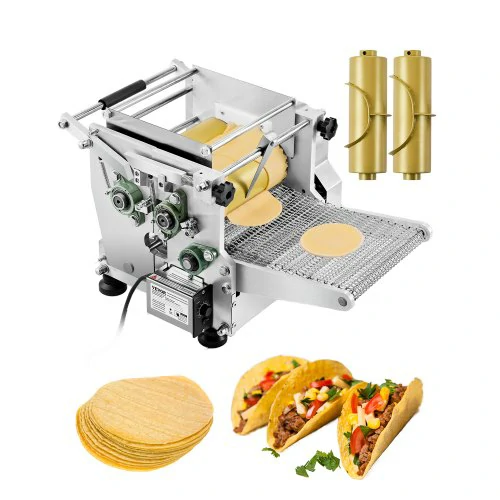
Industrial tortilla production works through a continuous, automated process that transforms raw corn or flour into uniform, high quality tortillas at scale. A modern tortilla making machine integrates mixing, forming, baking, and cooling into a streamlined production line. For manufacturers, this means consistent product quality, high output efficiency, and reduced labor dependency. In this article, we break down each stage of the process and explain how advanced systems such as corn tortilla making machine lines and corn chip machine integrations operate in real production environments.
Raw Material Preparation and Dough Formation
The process begins with precise raw material handling. The quality of tortillas depends heavily on the consistency of the dough.
Corn Processing and Nixtamalization
For corn based products, whole kernels undergo cooking and soaking in an alkaline solution, typically limewater. This process, known as nixtamalization, enhances flavor, improves nutritional value, and softens the corn for grinding.
After soaking, the corn is washed and ground into masa, a dough that serves as the base for tortillas and chips.
Automated Mixing Systems
In flour tortilla production, industrial mixers combine flour, water, oil, and additives under controlled conditions. Advanced systems ensure uniform hydration and gluten development, which directly affect texture and elasticity.
A well configured tortilla making machine ensures consistent dough quality before entering the forming stage.
Dough Portioning and Forming Technology
Once the dough is ready, it moves into shaping systems designed for precision and speed.
Portioning Mechanisms
Automated dividers cut the dough into equal portions. This ensures uniform size and weight, which is critical for both product consistency and packaging efficiency.
Pressing and Sheeting
Depending on the product type, the dough is either pressed or sheeted.
- Pressing systems flatten dough balls into round tortillas using heated plates
- Sheeting systems roll dough into thin layers before cutting into shapes
Corn tortilla making machine systems often use high pressure pressing to achieve the desired thickness and structure.
Baking and Cooking Systems
Cooking is where tortillas develop their final texture, flavor, and structure.
Conveyorized Ovens
Industrial tortilla lines use multi layer conveyor ovens with controlled temperature zones. Tortillas pass through different heating stages:
- Initial baking to set shape
- Intermediate heating to remove moisture
- Final baking to achieve desired texture
Temperature and dwell time are precisely controlled to ensure consistent results.
Energy Efficiency Considerations
Modern ovens are designed to optimize energy consumption while maintaining high throughput. This is particularly important for large scale production facilities.
Cooling, Stacking, and Packaging Automation
After baking, tortillas must be cooled and prepared for packaging.
Cooling Conveyors
Cooling systems reduce product temperature gradually to prevent condensation and maintain texture integrity.
Automated Stacking
Machines stack tortillas in uniform batches, ready for packaging. This reduces manual handling and improves hygiene standards.
Packaging Integration
Fully automated lines integrate packaging systems that seal tortillas in moisture controlled environments, extending shelf life.
Explore our full range of industrial food machinery to see how integrated solutions can optimize your production line.
Integration with Corn Chip Machine Systems
Many manufacturers expand their production lines to include snack processing.
Multi Product Flexibility
A corn chip machine can be integrated with tortilla lines to produce tortilla chips. The process includes:
- Cutting tortillas into triangles
- Frying or baking
- Seasoning and cooling
This allows producers to diversify product offerings without significant additional infrastructure.
Production Efficiency Benefits
By combining tortilla and chip production, manufacturers can maximize raw material utilization and increase overall profitability.
Ready to upgrade your tortilla production line with high efficiency equipment? Get expert support here: Contact us
Key Equipment Components Overview
| Equipment Component | Function | Key Benefit |
|---|---|---|
| Dough Mixer | Combines raw materials | Consistent dough quality |
| Divider and Former | Shapes dough portions | Uniform size and weight |
| Press or Sheeter | Flattens dough | Precise thickness control |
| Conveyor Oven | Bakes tortillas | Consistent texture and flavor |
| Cooling Conveyor | Reduces temperature | Maintains product integrity |
| Packaging System | Seals products | Extended shelf life |
Table 1: Core components of an industrial tortilla making machine line
Advantages of Industrial Tortilla Making Machines
Industrial systems offer several advantages over traditional manual production.
High Output and Scalability
Modern lines can produce thousands of tortillas per hour, making them ideal for large scale operations.
Consistency and Quality Control
Automation eliminates variability, ensuring each product meets the same specifications.
Labor Cost Reduction
Reduced reliance on manual labor lowers operational costs and improves efficiency.
Hygiene and Food Safety
Automated systems minimize human contact, supporting compliance with food safety standards.
Choosing the Right Equipment Supplier
Selecting a reliable partner is critical for long term success.
Key Evaluation Criteria
- Experience in food processing equipment manufacturing
- Customization capabilities for different production needs
- After sales support and technical service
- Compliance with international standards
Working with established food processing equipment manufacturers ensures reliable performance and long term value.
FAQ
What is the difference between a tortilla making machine and a corn tortilla making machine?
A tortilla making machine can handle both flour and corn dough, while a corn tortilla making machine is specifically designed for masa processing and pressing.
Can one production line produce both tortillas and chips?
Yes, with the integration of a corn chip machine, a single line can produce both tortillas and tortilla chips.
What is the typical production capacity?
Capacity varies depending on the system, but industrial lines can produce several thousand pieces per hour.
How do I maintain consistent product quality?
Use automated systems with precise control over temperature, pressure, and timing, and perform regular equipment maintenance.
Is customization available for different tortilla sizes?
Yes, most industrial machines support adjustable molds and settings for different sizes and thicknesses.
About Meiteng
Meiteng is a professional supplier of advanced food processing equipment, specializing in high performance tortilla making machine systems, corn tortilla making machine solutions, and integrated snack production lines. With a focus on innovation, efficiency, and reliability, we provide tailored solutions to meet the evolving needs of global food manufacturers. Our equipment is designed to deliver consistent quality, optimize production efficiency, and support scalable business growth.
References
https://en.wikipedia.org/wiki/Tortilla
https://www.fao.org/home/en
https://www.fda.gov/food