What Is the Essential Equipment for Pet Food Production Line and How Should B2B Buyers Configure It?
April 10, 2026
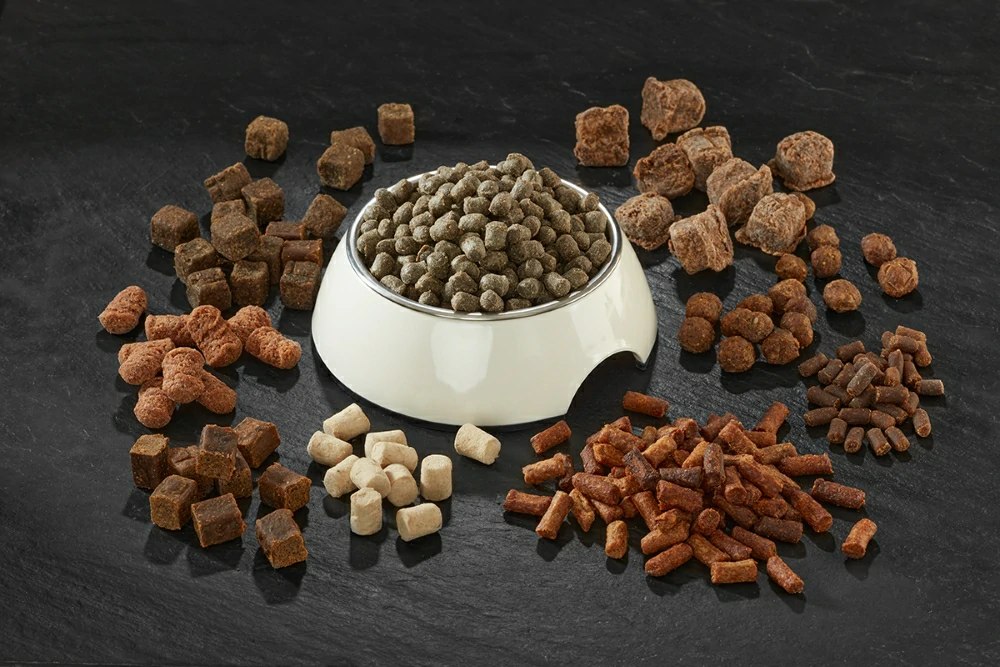
The essential equipment for pet food production line typically includes raw material handling systems, grinding and mixing units, extrusion equipment, drying systems, coating lines, cooling conveyors, and packaging machines. These components work together as an integrated system to transform raw ingredients into consistent, safe, and nutritionally balanced pet food products. For example, a mid-scale pet food manufacturer producing dry kibble will rely heavily on extrusion technology to shape and cook the product, followed by drying and flavor coating to achieve the desired texture and palatability. Selecting the right combination of equipment is critical for ensuring production efficiency, product quality, and regulatory compliance.
This guide provides a structured overview of the core equipment required in a pet food production line, along with technical considerations and sourcing insights for distributors, investors, and industrial buyers.
Raw Material Handling and Pre-Processing Equipment
The production journey begins long before extrusion. Proper preparation of raw materials ensures consistency and efficiency throughout the process.
Cleaning and Storage Systems
Raw materials such as grains, meat meals, and additives must be cleaned and stored under controlled conditions.
Key equipment includes:
- Magnetic separators to remove metal contaminants
- Storage silos with moisture control
- Conveying systems for automated transfer
Grinding Equipment
Uniform particle size is essential for proper mixing and extrusion performance.
Hammer mills or pulverizers are typically used to grind raw materials into fine, consistent powder.
Mixing Systems
High-efficiency mixers blend proteins, starches, fats, vitamins, and minerals to create a homogeneous mixture.
Proper mixing ensures:
- Nutritional consistency
- Stable extrusion performance
- Uniform product quality
Extrusion System: The Core of Pet Food Production
Extrusion is the heart of the production line, where raw materials are cooked, shaped, and texturized.
Types of Extruders
The choice of extruder significantly affects product quality and operational efficiency.
A standard pet food extruder is designed to handle a wide range of formulations, making it suitable for general-purpose production.
For more specialized applications, advanced systems such as pet food extruder machine offer enhanced control over temperature, pressure, and screw configuration.
Rotary Head Extrusion Technology
Innovative designs like the rotary head extruder enable the production of complex shapes and filled products, expanding product portfolios for manufacturers targeting premium markets.
Key Functional Benefits
- High-temperature short-time cooking improves digestibility
- Precise shaping ensures uniform kibble size
- Flexible configurations allow multiple product types
Drying and Cooling Systems
After extrusion, pet food must be stabilized to achieve the correct moisture content and texture.
Drying Equipment
Dryers reduce moisture levels to prevent microbial growth and extend shelf life.
Common types include:
- Continuous belt dryers
- Multi-layer drying systems
Cooling Conveyors
Cooling systems bring product temperature down to ambient levels before packaging.
Proper cooling prevents:
- Condensation inside packaging
- Structural deformation of kibble
Coating and Flavoring Systems
Palatability is a key factor in pet food acceptance. Coating systems enhance flavor and nutritional value.
Liquid Coating Systems
These systems apply fats, oils, and liquid flavor enhancers evenly across the product surface.
Powder Coating Units
Used for adding vitamins, minerals, and flavor powders.
Advanced coating systems ensure:
- Even distribution
- Minimal waste
- Improved product consistency
Packaging and Quality Control Equipment
The final stage ensures that the product reaches the market in optimal condition.
Packaging Systems
Automated packaging machines handle:
- Weighing and filling
- Sealing and labeling
- Bagging in various sizes
Quality Control Systems
Inspection equipment includes:
- Metal detectors
- Weight checkers
- Visual inspection systems
These systems ensure compliance with food safety standards and reduce product recalls.
Typical Configuration of a Pet Food Production Line
| Production Stage | Equipment Type | Function Description |
|---|---|---|
| Raw Material Input | Silos, conveyors | Storage and transport |
| Grinding | Hammer mill | Particle size reduction |
| Mixing | Ribbon or paddle mixer | Ingredient blending |
| Extrusion | Twin or single screw extruder | Cooking and shaping |
| Drying | Belt dryer | Moisture reduction |
| Coating | Flavoring drum | Oil and additive application |
| Cooling | Cooling conveyor | Temperature stabilization |
| Packaging | Automatic packing machine | Final product packaging |
Table: Standard configuration of essential equipment for pet food production line
Key Considerations for Equipment Selection
Selecting the right equipment involves balancing performance, cost, and scalability.
Production Capacity
Define your target output clearly. Equipment should match current demand while allowing room for future expansion.
Product Variety
Manufacturers producing multiple product types require flexible extrusion systems and modular line configurations.
Automation Level
Higher automation reduces labor costs and improves consistency but increases initial investment.
Compliance and Certification
Ensure equipment meets international standards such as CE and ISO, especially for export-oriented production.
Contact us today to design a customized pet food production line tailored to your business needs.
Emerging Trends in Pet Food Processing Equipment
The pet food industry is evolving rapidly, and equipment design is adapting accordingly.
Premium and Functional Pet Food
Demand for high-protein, grain-free, and functional pet food is driving the need for advanced extrusion systems.
Smart Manufacturing
Integration of IoT and data monitoring allows real-time process optimization and predictive maintenance.
Sustainability
Energy-efficient dryers and reduced-waste coating systems are becoming industry standards.
FAQ: Essential Equipment for Pet Food Production Line
What is the most important machine in a pet food production line?
The extruder is the core machine, as it performs cooking, shaping, and texturizing functions.
Can one production line handle different types of pet food?
Yes, with proper configuration, a single line can produce various products by adjusting formulations and machine settings.
How much does a complete production line cost?
Costs vary widely depending on capacity and automation level, typically ranging from tens of thousands to several hundred thousand dollars.
What maintenance is required?
Regular inspection of wear parts such as screws, dies, and bearings is essential for maintaining performance.
Is automation necessary for small-scale production?
Not always, but partial automation can improve efficiency and reduce labor dependency.
About Meiteng
Meiteng is a leading food processing machine supplier specializing in advanced pet food production solutions. With a strong focus on engineering innovation, quality control, and customer-centric design, Meiteng delivers reliable and efficient equipment tailored to global market demands. From standalone machines to fully integrated production lines, Meiteng supports clients in achieving consistent product quality, operational efficiency, and long-term business growth.
References