How Can Sourcing from a Progressive Food Processing Machine Supplier Canada Expert Maximize Your Output Efficiency?
June 19, 2026
Partnering with a specialized food processing machine supplier canada firm maximizes your output efficiency by introducing automated thermal controls, high-torque twin-screw extrusion mechanics, and energy-optimized moisture removal networks. Food manufacturers across Ontario, Alberta, and British Columbia face strict national safety protocols, rising electrical utility expenses, and tight production margins. Modern industrial automated machinery resolves these commercial pressures by lowering manual raw material handling errors, increasing hourly manufacturing throughput, and reducing ingredient shrinkage. Direct engineering collaboration allows processors to stabilize complex product expansion rates, expand continuous line versatility, and protect sensitive nutritional components across large product runs.
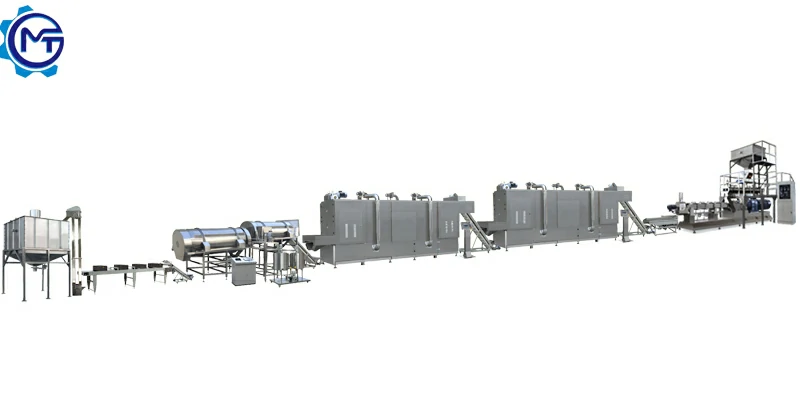
Consider a practical manufacturing bottleneck inside a busy plant handling multi-grain snack or premium kibble formulations. If the factory uses outdated single-screw extrusion machinery, small fluctuations in raw material moisture content cause sudden barrel blockages or uneven starch expansion. This operational instability yields fragile, misshapen items that fracture during automated high-speed packaging cycles, creating massive material waste and lower shift profitability. An experienced food processing machine supplier canada partner resolves this issue by integrating computerized pre-conditioning units and direct steam injection blocks. For instance, an operator can maintain a perfectly stable internal barrel processing environment during recipe adjustments, completely eliminating product fracturing while running packaging lines at full mechanical capacity.
Core Mechanical Standards for Controlled Starch Gelatinization
Manufacturing high-quality extruded products requires complete control over starch gelatinization under high-temperature short-time thermal parameters. Incoming starches within raw grain flours must reach a precise cook state to guarantee total digestibility and structural durability.
Modern twin-screw extrusion assemblies utilize segmented barrel channels and configurable screw flights to deliver precise levels of mechanical shear energy. This targeted energy transfer breaks down raw molecular bonds, allowing the wet dough to expand uniformly upon exiting the die face.
Advanced processing networks manage this complex cooking procedure through several critical mechanical features:
- Independent heating and cooling zones that regulate barrel temperatures perfectly to prevent scorching delicate ingredients.
- Integrated digital sensors that track moisture distribution during the pre-conditioning phase to establish a uniform raw mash.
- High-torque internal drive motors that maintain stable screw speeds despite variations in recipe density or viscosity.
- Heavy-duty thrust bearing assemblies designed to absorb massive structural pressures during continuous high-throughput runs.
Optimizing Continuous Blending Operations for Recipe Uniformity
Achieving complete ingredient uniformity across massive production lots is a primary challenge for modern commercial food processors. Specialized product formulas frequently combine lightweight base flours, concentrated micro-nutrient premixes, dense mineral granules, and fresh liquid lipid slurries.
To prevent physical ingredient separation prior to extrusion, industrial plants implement heavy-duty horizontal dual-shaft mixers designed for rapid material dispersion. This specialized food processing systems architecture creates a highly homogeneous base blend within minutes, ensuring every finished batch complies with nutritional label requirements.
Automated load cell systems continuously monitor ingredient mass flow weights in real time to prevent dosing errors during active manufacturing. This digital integration allows factory managers to audit raw material utilization instantly, eliminating expensive product tracking errors across complex shifts.
Constructing mixers with food-grade stainless steel surfaces prevents cross-contamination and simplifies daily sanitation procedures between differing product runs. Smooth internal basin designs minimize physical product retention, allowing clean-up crews to execute rapid washdowns during corporate flavor transitions.
Technical Configuration Matrix and Operational Capacity Metrics
Procurement managers must evaluate physical engineering parameters, motor power requirements, and structural dimensions when selecting capital machinery for plant expansions. The data below details the exact technical configurations across professional processing lines engineered for modern commercial food manufacturing.
| Processing Line Designation | Volumetric Output Capacity | Primary Drive Motor Power | Maximum Heating Temperature | Intended Commercial Production Target |
| MT-65 Twin-Screw System | 100 to 150 Kilograms Per Hour | 22 Kilowatts Total | 200 Degrees Celsius | Specialized Dietary Snacks and Experimental Batches |
| MT-75 High-Efficiency Line | 300 to 500 Kilograms Per Hour | 45 Kilowatts Total | 250 Degrees Celsius | Premium Breakfast Cereals and Texturized Proteins |
| MT-85 Heavy-Duty Network | 1000 to 1500 Kilograms Per Hour | 90 Kilowatts Total | 300 Degrees Celsius | High-Volume Multi-Plant Commercial Distribution |
Table 1: Technical Configurations and Output Benchmarks for Advanced Twin-Screw Food Processing Networks.
Selecting the correct model configuration helps food enterprises minimize their overall energy expenditure per ton of packaged product. Integrating matched pneumatic transport systems and high-speed rotary cutters guarantees continuous material flow without creating physical bottlenecks before the drying phase.
Advanced Dehydration Technology and Liquid Flavor Infusion
The manufacturing sequence continues past the extruder die face, as wet expanded shapes contain excessive moisture that must be extracted. Directing the shaped pieces through a multi-pass circulating mesh belt dryer removes internal water molecules gently to avoid structural surface fractures.
Controlling ambient air velocity and heat distribution across different dryer decks prevents the formation of an impermeable exterior crust on the food. This technical accuracy keeps internal water activity levels below strict limits, halting microbial growth and extending commercial shelf life without preservatives.
After finishing the dehydration cycle, the food pieces move into an automated rotary coating drum to receive liquid seasonings and oil applications. The controlled drum rotation tumbles the crisp shapes gently, ensuring uniform oil coverage without crushing delicate structural edges.
If your plant engineering team requires professional technical layout drawings or an immediate factory quote for a customized production line, please contact our application specialists directly to review your project parameters.
Applying these liquid topical seasonings through precision spray nozzles prevents finished items from becoming soggy before entering the automated packaging line. This advanced seasoning step enhances product flavor profiles, stabilizes final crispness, and guarantees a uniform seasoning appearance across massive retail batches.
Hygienic Machinery Design for Strict Regulatory Compliance
Maintaining spotless sanitary conditions inside a food manufacturing facility is mandatory for satisfying strict federal health inspection criteria. Modern processing plants must implement advanced food production line manufacturer systems designed from the ground up on strict hygienic principles to eliminate organic material harborage points.
All product contact surfaces must feature high-grade polished stainless steel to prevent ingredient buildup and resist aggressive chemical cleaning agents. Eliminating sharp internal corners, blind crevices, and exposed fasteners within the food stream prevents the dangerous growth of bacterial pathogens.
Hygienic equipment networks achieve consistent regulatory compliance through specific structural designs:
- Clean-in-place mechanisms that disinfect internal extrusion barrels and transfer piping without dismantling complex mechanical housings.
- Physical separation boundaries between raw ingredient preparation areas and dried post-extrusion packaging zones.
- Conveyor belt assemblies equipped with integrated continuous scrapers to keep processing floors clean.
- Watertight electrical control enclosures that withstand high-pressure washdown procedures during scheduled plant cleanings.
Enhancing Manufacturing Agility via Modular Hardware Components
Consumer buying habits fluctuate quickly as retail markets demand novel snack shapes, custom ingredient callouts, and specialized dual-texture product profiles. Rigid, single-purpose manufacturing machinery forces processing companies to purchase entirely new production lines to accommodate these brief seasonal market trends.
Implementing an agile pet food processing machines configuration allows manufacturing crews to swap modular die plates and screw segments within a few hours. This adaptable setup enables a single processing line to shift from producing star-shaped breakfast cereals to high-density animal kibbles.
Altering the screw layout changes the specific mechanical energy applied to the dough, allowing successful processing of highly diverse raw ingredients. Operators can increase internal mixing shear for tough starches or reduce processing pressures for high-fat recipes by rearranging the modular parts.
Investing in modular processing assets helps food manufacturers optimize their capital allocation efficiency and reduce time-to-market for new items. This operational agility protects regional market share and ensures high equipment utilization metrics across the entire corporate fiscal calendar.
Canadian Food Manufacturing Operations FAQ
What technical advantages do twin-screw extruders offer over single-screw designs?
Twin-screw extruders provide positive material conveyance and superior self-cleaning capabilities, allowing them to process sticky or high-fat ingredients smoothly. They deliver precise control over internal mixing shear forces and thermal energy input, preventing recipe accumulation along the barrel liners.
How do operators establish the ideal drying speed for delicate expanded snack foods?
Drying speeds are calculated based on incoming dough moisture, conveyor belt transit time, and the physical size of the food pieces. Technicians balance internal airflow velocities to lower water content below six percent without blistering the surface or causing product warping.
What maintenance protocols extend the operational life of extrusion barrels handling abrasive grain blends?
Maintenance teams should measure screw element clearances monthly and monitor automated lubrication systems serving the primary thrust bearing block. Utilizing high-durability, abrasion-resistant alloy liners inside the barrel assembly extends the lifespan of components when running high-fiber alternative grains.
Can automated rotary flavoring systems handle liquid suspensions containing solid particulate seasonings?
Yes, industrial rotary flavoring systems utilize specialized liquid agitation pumps to keep solid particulate seasonings suspended uniformly within the oil carrier. This continuous agitation prevents nozzle blockages and ensures an even distribution of herbs and spices onto the snack surfaces.
Brand Commitment: Meiteng Machinery
As a prominent global developer of high-reliability food extrusion technology and specialized industrial machinery, Meiteng delivers robust processing solutions tailored for demanding manufacturing operations. We engineer and manufacture premium-grade twin-screw extruders, continuous multi-layer drying ovens, and automated flavor coating systems designed to maintain optimal efficiency. By focusing on precision engineering, strict quality control, and adherence to international safety standards, our systems provide production teams with reliable performance. Beyond supplying world-class hardware, our technical team supports your staff with exhaustive material testing, custom factory floor layouts, and comprehensive engineering documentation. Fuyuan’s sister brand Meiteng is committed to being your trusted partner in food processing excellence, dedicated to driving your business growth through innovation.
References
- Government of Canada Food Inspection Agency Safety and Machinery Regulation Guides: CFIA Regulatory Portal
- Principles of Food Extrusion and Thermal Processing Technical Manuals: ScienceDirect Knowledge Repository
- International Standard Requirements for Hygienic Design of Food Processing Machinery: ISO Online Standards Catalogue