How HMMA High-Moisture Extrusion Is Reshaping the Plant-Based Meat Market
December 24, 2025
Introduction: The “Second Revolution” of Plant-Based Meat
The plant-based meat industry is entering a decisive second act. The first wave brought awareness, scale, and accessibility. Yet it also exposed a fundamental limitation: texture.
Traditional plant protein formats, especially TVP (textured vegetable protein), rely on low-moisture extrusion. The result is a dry, sponge-like structure that must be rehydrated before use. Even after soaking, the mouthfeel often remains crumbly or porous, resembling tofu or soy chunks rather than real meat. For consumers seeking authenticity, this gap has been hard to ignore.
Enter HMMA (High Moisture Meat Analog). This technology shifts the paradigm entirely. With moisture content ranging from 50% to 70%, HMMA products eliminate the need for rehydration. They are ready to use straight out of the package and, more importantly, deliver a strikingly realistic fibrous texture. Instead of granules or chunks, HMMA produces aligned, layered protein structures that mimic the longitudinal fibers of chicken, beef, or fish.
This is not just a technical upgrade. It is a sensory transformation.
Market demand is already moving in this direction. Consumers are no longer satisfied with “good enough” alternatives. They are looking for clean-label ingredients, minimal processing perception, and a convincing eating experience. As a result, HMMA is rapidly becoming the preferred solution for premium ready meals, Western-style quick-service restaurants, and high-end plant-based brands.
For companies like Meiteng Machinery, the shift represents a major opportunity to deliver advanced industrial food equipment that meets the next generation of food manufacturing demands.
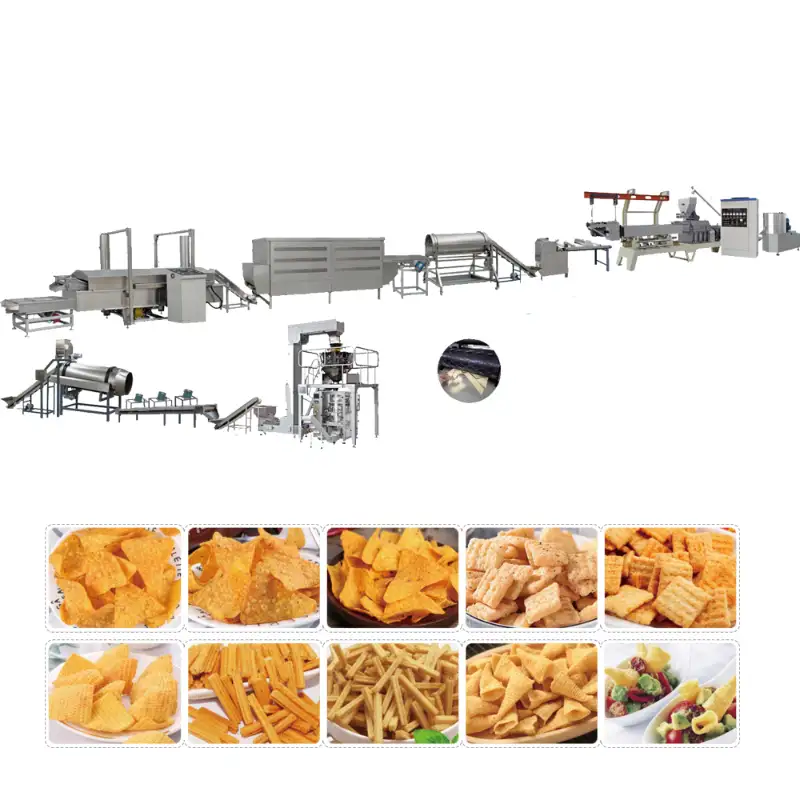
HMMA Core Technology: How Does It Create Realistic Meat Texture?
At the heart of HMMA lies a fascinating interplay of physics, chemistry, and precision engineering. The process transforms plant proteins into structured, meat-like fibers through controlled heat, pressure, and flow.
Twin-Screw Extrusion: Controlled Transformation
The journey begins inside a twin screw food extruder. Unlike single-screw systems, twin-screw extrusion provides superior mixing, shearing, and process control.
Plant proteins such as soy, pea, or wheat gluten are combined with water and functional ingredients. Inside the extruder, rotating screws generate high shear forces and controlled thermal energy. This environment breaks down the native globular protein structures, unfolding their molecular chains.
As the proteins denature, they become reactive and capable of reorganization. The mechanical energy aligns these molecules in a specific direction, laying the groundwork for fibrous structure formation.
Think of it as turning a tangled ball of threads into neatly combed strands, all pointing in the same direction.
The Cooling Die: Where Structure Is Born
This is the defining component of HMMA technology and the true differentiator in equipment design.
After leaving the high-temperature zone, the material enters a long cooling die. Unlike conventional extrusion, where products expand into airy, puffed snacks, the cooling die prevents expansion and carefully controls solidification.
Inside this elongated channel, temperature gradually decreases while pressure remains controlled. This environment allows the aligned protein chains to stabilize into layered, fibrous structures. The result is a dense, anisotropic matrix that closely resembles the muscle fibers found in real meat.
Without a cooling die, the product would expand and lose its structure, becoming more like a snack than a meat analog. With it, the transformation is precise and deliberate, producing textures that can be shredded, sliced, or pulled apart just like animal protein.
This is where “structure” replaces “substitute.”
Moisture and Oil Retention: The Secret to Juiciness
Another critical advantage of HMMA is its ability to retain water and oil within the protein matrix.
The high-moisture environment creates a continuous phase that traps liquids inside the fibrous network. This leads to improved juiciness, tenderness, and mouthfeel compared to traditional plant-based products.
In practical terms, this means:
- Less dryness during cooking
- Better flavor absorption during marination
- A more satisfying bite that closely mimics real meat
The result is not just visual similarity, but a multi-sensory experience that meets consumer expectations.
The Equipment Solution: Building a Reliable HMMA Production Line
For manufacturers looking to enter or scale in the plant-based sector, success depends heavily on the reliability and precision of the production system. HMMA is not a plug-and-play process. It requires a fully integrated solution.
High-Precision Feeding System
Consistency starts at the beginning. A high-precision dosing and feeding system ensures accurate ratios of protein, water, oils, and additives.
Stable input equals stable output. Even minor deviations in formulation can affect texture, moisture distribution, and final product quality. Advanced feeding systems eliminate this variability, enabling repeatable production at scale.
Core Twin-Screw Extruder
The extruder is the engine of the entire process.
A high-performance system must offer:
- High torque capacity to handle dense, high-moisture materials
- Wear-resistant components for long operational life
- Flexible configuration to accommodate different raw materials such as soy, pea protein, or wheat gluten
Adaptability is key. As plant-based formulations evolve, manufacturers need equipment that can evolve with them. Meiteng Machinery provides advanced HMMA machine solutions designed specifically for high-moisture extrusion applications.
Intelligent Control System
Modern HMMA production lines rely on automation and digital control.
An intelligent control system allows operators to:
- Store and recall process parameters
- Adjust temperature, pressure, and screw speed in real time
- Maintain consistent texture across different production batches
This reduces operator dependency and ensures that every batch meets the same sensory and structural standards.
Multi-Stage Quality Control
Food safety and product consistency are non-negotiable.
A robust production line includes:
- Raw material inspection
- In-process monitoring
- Final product testing
A dedicated quality control team, combined with standardized inspection procedures, ensures compliance with international food safety regulations and industrial standards. This not only protects the brand but also builds trust with global partners.
Advantages and Economic Value of HMMA Production
Beyond technical performance, HMMA offers compelling business advantages.
Streamlined Production Process
Traditional plant-based meat production often involves rehydration steps, additional processing, and higher labor input.
HMMA eliminates these steps. The product exits the extrusion line in a ready-to-use state, allowing it to move directly into seasoning, forming, or packaging within a complete food production line.
This reduces:
- Labor costs
- Processing time
- Operational complexity
Efficiency becomes a built-in feature of the technology.
Product Versatility
One of the most attractive aspects of HMMA is its flexibility.
With the same core equipment, manufacturers can produce a wide range of products simply by adjusting process parameters or changing molds:
- Plant-based chicken strips
- Pulled “beef” textures
- Fish-style fillets
This versatility enables brands to expand their product portfolios without investing in entirely new production lines.
Sustainability and ESG Alignment
Plant-based meat already carries environmental advantages over traditional livestock production. HMMA strengthens this position by enabling more efficient resource utilization and reducing waste.
For companies focused on ESG goals, this technology offers:
- Lower carbon footprint
- Reduced water consumption compared to animal protein
- Alignment with consumer demand for sustainable products
It also opens doors to green financing and investment opportunities, as sustainability becomes a key decision factor in capital markets.
Choosing the Right Partner: From Lab to Large-Scale Production
Adopting HMMA is not just about purchasing equipment. It is about building a long-term capability.
From R&D to Commercialization
A reliable partner should provide end-to-end solutions, including:
- Laboratory-scale testing for formulation development
- Pilot-scale trials to validate process parameters
- Full-scale production line design and installation
This ensures a smooth transition from concept to commercialization, minimizing risk and shortening time to market.
Technical Support and After-Sales Service
Even the most advanced equipment requires ongoing support.
A strong partner offers:
- Recipe optimization and process tuning
- Operator training programs
- Rapid-response maintenance and spare parts supply
With Meiteng Machinery, customers gain not only equipment but also long-term technical partnership to ensure stable production and continuous innovation.
Conclusion: Embracing the New Era of Plant-Based Innovation
The evolution from traditional TVP to HMMA marks a defining moment in the plant-based industry.
What was once a compromise is becoming a true alternative. Texture, juiciness, and visual appeal are no longer barriers but competitive advantages.
Over the next five years, HMMA is poised to become a cornerstone technology in food processing. It aligns perfectly with consumer expectations, market trends, and sustainability goals.
For manufacturers, the message is clear: the future of plant-based meat will not be shaped by imitation, but by transformation. With advanced solutions from Meiteng Machinery, businesses can move beyond “soy patties” and step confidently into the era of true fiber-structured plant-based meat.